
 siwa
siwaSiwa Oasis Travel Guide: A Journey to the Sahara Soul
Siwa Oasis Travel Guide
Indeed, the air in the deep desert beautifully carries a highly specific weight. Specifically, it tastes strongly of pure salt, sweet sundried dates, and a profound silence. Actually, this amazing silence safely rings exactly in your ears.
Therefore, this comprehensive Siwa Oasis Travel Guide securely serves exactly as your perfect compass. Specifically, it leads directly to the absolute most remote and highly mystical destination safely found in all of Egypt.
Geographically, this stunning oasis sits exactly 750 kilometers entirely from busy Cairo. Additionally, it safely rests perfectly just 50 kilometers entirely from the Libyan border. Consequently, Siwa proudly remains a beautiful island of lush green perfectly located inside a massive sea of golden sand.
Here, the busy modern world easily feels exactly like a distant, faded memory. Instead, the gentle rhythm of wooden donkey carts and the soft rustle of millions of tall palm fronds beautifully replace it.
Ultimately, this Siwa Oasis Travel Guide gladly provides the absolute essential roadmap completely for brave explorers. Specifically, it perfectly guides those eagerly seeking to beautifully uncover the deep secrets precisely of the ancient Berber (Amazigh) culture. Furthermore, it highlights the amazing healing landscapes securely located inside the vast Great Sand Sea.

The Ancient Heart: Shali Fortress and the Oracle
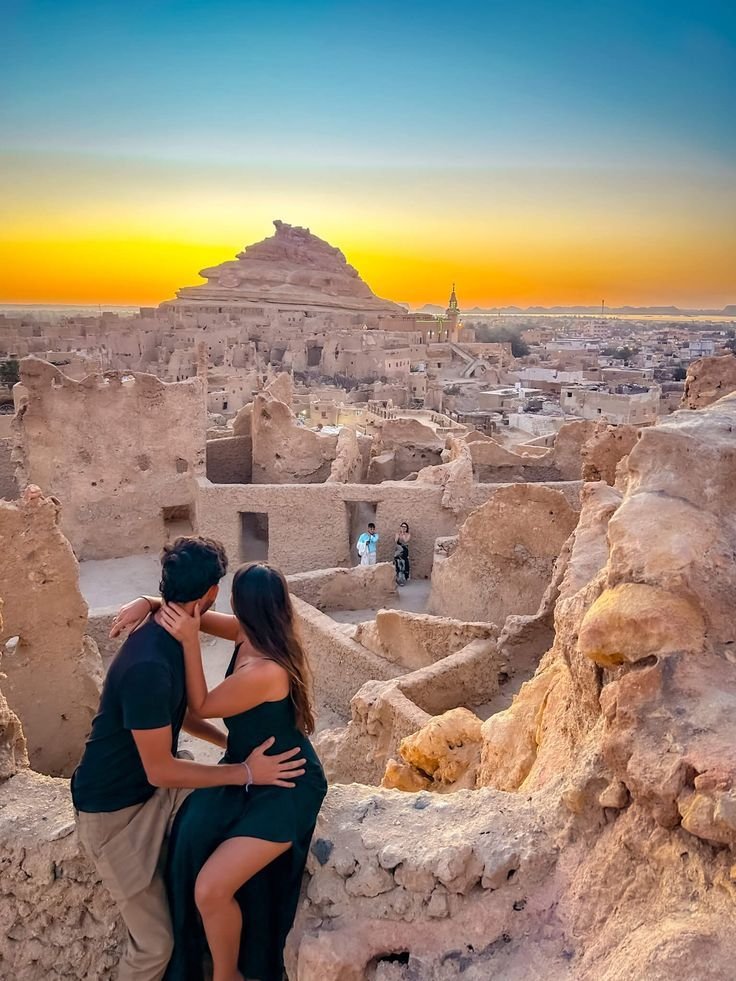
Visually, proudly rising exactly from the busy center of town securely sits the amazing Shali Fortress. Basically, it looks exactly like a massive, beautifully melted sandcastle. Ultimately, it strongly serves exactly as the jagged, historical backbone of the entire beautiful oasis.
The Mud and Salt Citadel
Historically, highly skilled local builders proudly constructed Shali perfectly back in the 12th century. Specifically, they smartly used a highly unique local material famously called karsheef. Essentially, they completely made this special material entirely from thick salt-saturated mud and natural clay.
Whenever the heavy rains finally hit (which securely remains a highly rare event exactly in the dry Sahara), something magical smoothly happens. Specifically, the thick salt slightly melts. Consequently, beautifully giving the ancient, crumbling ruins their highly eerie, fluid appearance.
Furthermore, actively walking directly through these narrow, ancient winding corridors securely provides a massive sensory experience. Instantly, you can clearly feel the highly rough, crystalline texture precisely of the thick walls. Additionally, you can easily see the sturdy palm logs perfectly used strictly for strong rafters.
The Temple of the Oracle
Further exactly to the east, the beautiful Temple of the Oracle (Aghurmi) proudly stands. Undeniably, it serves perfectly as a massive monument directly to one of human history’s absolute greatest pilgrimages.
Historically, perfectly in 331 BC, Alexander the Great bravely marched completely across the harsh desert directly to this exact spot. Specifically, he eagerly wanted to personally consult the famous Oracle of Amun. Basically, he strongly sought clear confirmation precisely of his divine, royal lineage. Eventually, he happily left the beautiful oasis proudly titled exactly as a true “Son of Amun.”
Today, you can peacefully stand directly on the high limestone plateau precisely of the ancient temple. From there, you can beautifully look out completely over a massive green canopy firmly holding nearly 300,000 tall palm trees. Moreover, you will easily see exactly 70,000 leafy olive trees. Ultimately, quickly realizing exactly that the stunning view hasn’t really changed much completely since Alexander’s ancient time.
Nomad Tip: Ideally, you absolutely must boldly hike directly to the high summit precisely of Shali Fortress. Specifically, do this exactly 30 minutes right before the beautiful sunset. At that moment, the thick salt perfectly inside the ruins magically begins to softly glow totally with a deep orange hue. Furthermore, you can clearly see the bright white crust of the salt lakes beautifully shimmering directly on the distant horizon.
The Healing Waters: Salt Lakes and Thermal Springs
Undeniably, fresh water securely remains the absolute true lifeblood of the harsh desert. However, exactly in Siwa, water beautifully serves also exactly as highly potent medicine.
Floating in the Salt Lakes Siwa
Without a doubt, the beautiful Salt Lakes Siwa securely remain perhaps the absolute most highly surreal sight safely found in the Western Desert. Basically, these operate exactly as modern, active salt mines. However, the clear water here securely remains so heavily saturated totally with salt that it magically turns a bright neon, electric turquoise.
Crucially, you absolutely cannot ever sink exactly here. Instead, peacefully floating completely inside these bright pools smoothly provides a highly effortless, completely weightless experience. In fact, it feels far more highly buoyant entirely than even the famous Dead Sea.
Additionally, the thick salt crusts perfectly hugging the edges look exactly like completely frozen white snow. Consequently, perfectly creating a highly stark, absolutely beautiful contrast directly against the bright blue water.
Cleopatra’s Bath and Sand Baths
Alternatively, exactly for a much warmer soak, quickly head directly to famous Cleopatra’s Bath (Ain Juba). Visually, this beautifully stands exactly as a stunning natural stone pool. Specifically, a highly deep artesian spring gently bubbling up directly from the deep earth perfectly feeds it.
Amazingly, the warm water firmly remains perfectly clear. Furthermore, it stays heavily filled totally with healthy minerals. Historically, local people have highly prized these specific minerals entirely since the ancient time exactly of the great pharaohs.
If you bravely visit exactly during the peak of the hot summer, you might easily witness something highly unique. Specifically, you can proudly see the famous Gebel Dakrour Sand Baths. Basically, this highly ancient healing therapy completely involves deeply burying your body directly up to your neck exactly in the scorching hot desert sand. Usually, patients safely do this strictly for 15 to 20 hot minutes completely every single day. Ultimately, it acts perfectly as a highly world-renowned medical treatment strictly for severe rheumatism, intense joint pain, and various skin conditions.
Nomad Tip: First, always securely bring a full change exactly of dark-colored clothes strictly for the salty lakes. Because the extremely high salt concentration will rapidly turn any light-colored swimwear completely stiff and fully white perfectly within mere minutes. Also, always smartly carry a highly large bottle exactly of completely fresh water. Ultimately, you strictly need this to quickly rinse off immediately right after your floating session ends.

Beyond the Palms: Thrills in the Great Sand Sea
Admittedly, the beautiful oasis safely serves exactly as a quiet sanctuary. However, the absolute true, massive adventure safely lies completely inside the vast Great Sand Sea.
Jeep Safaris and Desert Springs
Geographically, this massive area proudly stands exactly as the world’s third-largest open dune field. Specifically, it immediately starts exactly where the tall palms finally end. Therefore, a highly thrilling Jeep Safari securely remains the absolute only safe way completely to truly experience this massive vastness.
Soon enough, you will happily find yourself safely inside a sturdy 4×4 vehicle. Thrillingly, your expert driver will quickly crest massive dunes beautifully looking exactly like entirely frozen waves of pure gold. Amazingly, some of these steep dunes majestically rise easily many hundreds of feet high.
Deep perfectly inside the soft dunes, your highly expert guide will safely lead you directly to beautiful Bir Wahed. Essentially, this operates exactly as a lovely “Cold Spring.” Visually, it firmly remains a stunning natural lake securely sitting exactly in the middle of nowhere. Furthermore, tall green reeds and soft desert grass beautifully surround it entirely.
Just a few short meters away, you will easily find a highly warm “Hot Spring.” Specifically, this acts perfectly as a highly sulfur-rich warm pool. There, you can peacefully soak beautifully exactly as the desert temperature rapidly drops perfectly in the late afternoon.
Finally, the thrilling experience completely of safely sandboarding fast down a steep 100-foot dune entirely into the soft sand below easily provides a massive adrenaline rush. Indeed, only the vast Sahara can successfully provide this.
Nomad Tip: Smartly, always securely book your thrilling desert safari perfectly for the late afternoon. Consequently, this perfectly allows you to happily swim entirely in the cool springs. Next, you can joyfully sandboard exactly during the beautiful “Golden Hour.” Finally, you can perfectly end the amazing trip completely with a warm Bedouin fire-side dinner. Ultimately, you will happily sit exactly under a massive canopy of bright stars that magically feel close enough to easily touch.
Siwi Culture: The Berber Soul of the Sahara
Culturally, Siwa securely remains completely highly distinct entirely from the whole rest of Egypt. Specifically, the local people living exactly here proudly stand as native Berbers (Amazigh). Furthermore, they beautifully speak “Siwi.” Essentially, this acts exactly as a highly unique language closely related entirely to the ancient dialects of North Africa.
Ultimately, their rich, ancient heritage beautifully reflects completely inside their traditional music, their highly intricate silver jewelry, and their amazing food. Therefore, things to do in Siwa absolutely must highly include a very deep dive directly into the delicious local flavors.
Local Cuisine and Traditions
Fundamentally, the amazing Siwi kitchen heavily builds completely upon the rich, natural bounty precisely of the beautiful oasis. First, you absolutely must eagerly try “Aboumrad.” Specifically, this securely serves exactly as a highly rich, perfectly slow-cooked lamb dish. Usually, expert local cooks beautifully serve it completely with red rice and sweet dates.
Regarding the famous dates of Siwa, they securely remain totally legendary. Visually, they stay quite small, but they taste incredibly sweet. Furthermore, they remain heavily packed totally with high energy.
Later, exactly in the cool evening, the entire busy town center wonderfully fills completely with the sweet scent precisely of fresh Lemongrass Tea. Crucially, this absolutely isn’t just a simple drink. Instead, it securely acts perfectly as a highly important local social ritual. Specifically, Siwis expertly brew a very strong red tea. Afterward, they beautifully infuse it entirely with highly fragrant wild lemongrass freshly harvested directly from the local gardens.
Nomad Tip: Ideally, you absolutely should eagerly visit the highly interesting House of Siwi Museum strictly before exploring the busy market. Because it perfectly provides a highly visual, excellent guide completely to the amazing traditional costumes and ancient wedding customs. Consequently, successfully helping you deeply appreciate the highly fine craftsmanship precisely of the handmade items you’ll soon see perfectly for sale.
Market Treasures: Shopping in the Oasis
Honestly, shopping exactly in Siwa securely remains a very far cry completely from the highly chaotic, loud bazaars safely found in Cairo. Instead, the local market stays highly laid-back and strictly focuses completely on organic, highly natural handmade goods.
-
Salt Lamps: Expertly, local artisans carve these beautifully directly from the raw rock salt safely pulled from the lakes. When lit, these amazing lamps softly emit a highly warm, beautiful orange glow. Furthermore, many locals strongly believe they successfully ionize the surrounding air.
-
Hand-Woven Rugs: Traditionally, talented Siwi women securely remain absolute grand masters completely of fine embroidery and beautiful weaving. Therefore, carefully look strictly for high-quality rugs and warm shawls perfectly featuring highly traditional Berber geometric patterns.
-
Organic Oils: Agriculturally, Siwa proudly produces absolutely some of the world’s absolute finest extra-virgin olive oil. Additionally, you can easily find extremely high-quality, pure jojoba and sweet almond oils.
Nomad Tip: Importantly, absolutely do not ever haggle highly aggressively exactly here. Because the friendly Siwi people securely remain incredibly honest and highly polite. Therefore, a very friendly, highly respectful quiet negotiation securely remains the absolute best local way completely of smoothly doing successful business.
Planning Your Expedition: Essential Logistics
Undeniably, safely reaching this beautiful Saharan sanctuary securely remains a massive adventure entirely in itself. Because there absolutely is totally no active commercial airport nearby. Consequently, you safely remain completely committed directly to the long road.
How to Get to Siwa from Cairo
Geographically, the scenic journey firmly covers roughly about 750 kilometers. Therefore, safely booking a highly reliable private car or strong SUV securely remains the absolute most comfortable option. Usually, this scenic drive safely takes smoothly between 8 to 10 full hours. Typically, most smart travelers safely take the fast “Desert Road” driving directly towards Marsa Matruh. Afterward, they smartly head straight south directly into the deep, remote desert.
Alternatively, the absolute most common, cheap way purely for young backpackers safely remains the Night Bus. Specifically, the reputable “West & Mid Delta” company efficiently runs highly comfortable daily coaches exactly from Cairo’s Gateway Station. Usually, the large bus promptly leaves exactly at 10:00 PM. Eventually, it safely arrives exactly inside the beautiful oasis exactly around 8:00 AM. Admittedly, it firmly remains a very long, tiring journey. However, happily waking up directly to the stunning sight exactly of tall palm trees completely after a dark night perfectly inside the deep desert easily provides a highly transformative experience.
The Best Time to Visit Siwa Oasis
Crucially, picking the right timing safely remains absolutely critical.
-
October to April (Peak Season): Without a doubt, this securely operates exactly as the absolute “Sweet Spot.” During these months, the sunny days stay highly warm (20-25°C). Meanwhile, the dark nights firmly remain very crisp and perfectly cool. Ultimately, providing the absolute perfect weather completely for actively exploring ancient ruins and comfortably enjoying deep desert camping.
-
May to September (Summer): Unfortunately, during this hot period, totally expect harsh temperatures to quickly soar entirely above 40°C. Therefore, local experts strictly recommend safely visiting during this extreme time completely only if you specifically want the highly therapeutic hot sand baths safely located at Gebel Dakrour.
Discover the Hidden Frontier with Egypt Desert Nomad Tours
Ultimately, Siwa securely remains absolutely not a simple destination completely for the casual, highly relaxed tourist. Instead, it securely acts perfectly as an ultimate destination strictly for the brave traveler who strongly wants to happily lose themselves completely in the map. Essentially, it remains totally about the highly satisfying crunch entirely of the thick salt crust perfectly under your heavy boots. Furthermore, it focuses strictly on the profound, deep silence precisely of the massive dunes.
Here exactly at Egypt Desert Nomad Tours, we happily specialize completely in the highly complex logistics precisely of the extreme remote.
Specifically, we efficiently handle absolutely all required official desert permits. Additionally, we perfectly organize all thrilling 4×4 expeditions. Furthermore, we safely secure all completely private, highly comfortable transfers. Consequently, successfully making your entire Siwa trip totally seamless and completely safe.
Moreover, our highly expert, friendly guides absolutely don’t just quickly show you the ancient stone ruins. Instead, they happily introduce you directly to the kind, traditional Siwi families who have proudly called this beautiful oasis their permanent home entirely for many centuries.
So, are you finally ready completely to bravely cross the massive Great Sand Sea? If so, quickly contact us exactly today. Consequently, you can easily book your completely private, highly personalized Siwa expedition. Ultimately, allowing you to happily experience the true magic precisely of the vast Western Desert perfectly with those local experts who deeply know its deep secrets best.
Frequently Asked Questions (FAQ)
1. Is Siwa safe for solo or female travelers?
Absolutely yes, Siwa securely remains highly, exceptionally safe entirely for absolutely everyone. Specifically, the local community firmly remains incredibly tight-knit, highly respectful, and very deeply welcoming. However, because it securely remains a highly conservative traditional community, modest dress securely remains required. Therefore, always ensure fully covering your shoulders and knees entirely for both visiting men and women.
2. Are there ATMs in the oasis?
Yes, there safely remain exactly a few active ATMs securely located inside the main town square. However, they highly often quickly run entirely out of fresh cash. Furthermore, they sometimes randomly reject foreign international cards. Therefore, always smartly bring more than enough local Egyptian Pounds exactly in hard cash completely to safely cover your entire beautiful stay.
3. Do I need a permit for the Great Sand Sea?
Absolutely yes. Specifically, completely for any deep, remote desert safari, local authorities strictly require a highly official security permit. Fortunately, if you smartly book perfectly with a highly professional, reliable outfit exactly like Egypt Desert Nomad Tours, we easily handle this. Specifically, we efficiently process it entirely for you safely 24 hours exactly in advance.
4. Can I swim in the Salt Lakes if I have sensitive skin?
Generally, the thick salt concentration firmly remains extremely high. Therefore, if you sadly have highly sensitive skin or completely open fresh cuts, it absolutely will sting very painfully. Consequently, always strictly ensure you completely rinse entirely with fresh, clean water exactly immediately right after quickly exiting the salty lake.
5. Is there a dress code for Cleopatra’s Bath?
Admittedly, while it proudly serves exactly as a highly popular tourist spot, it securely remains perfectly in a fully open public area. Therefore, local authorities highly recommend actively wearing a simple t-shirt directly over your normal swimwear. Ultimately, doing this beautifully shows deep respect entirely for the ancient local customs perfectly maintained by the friendly Siwi people.


