
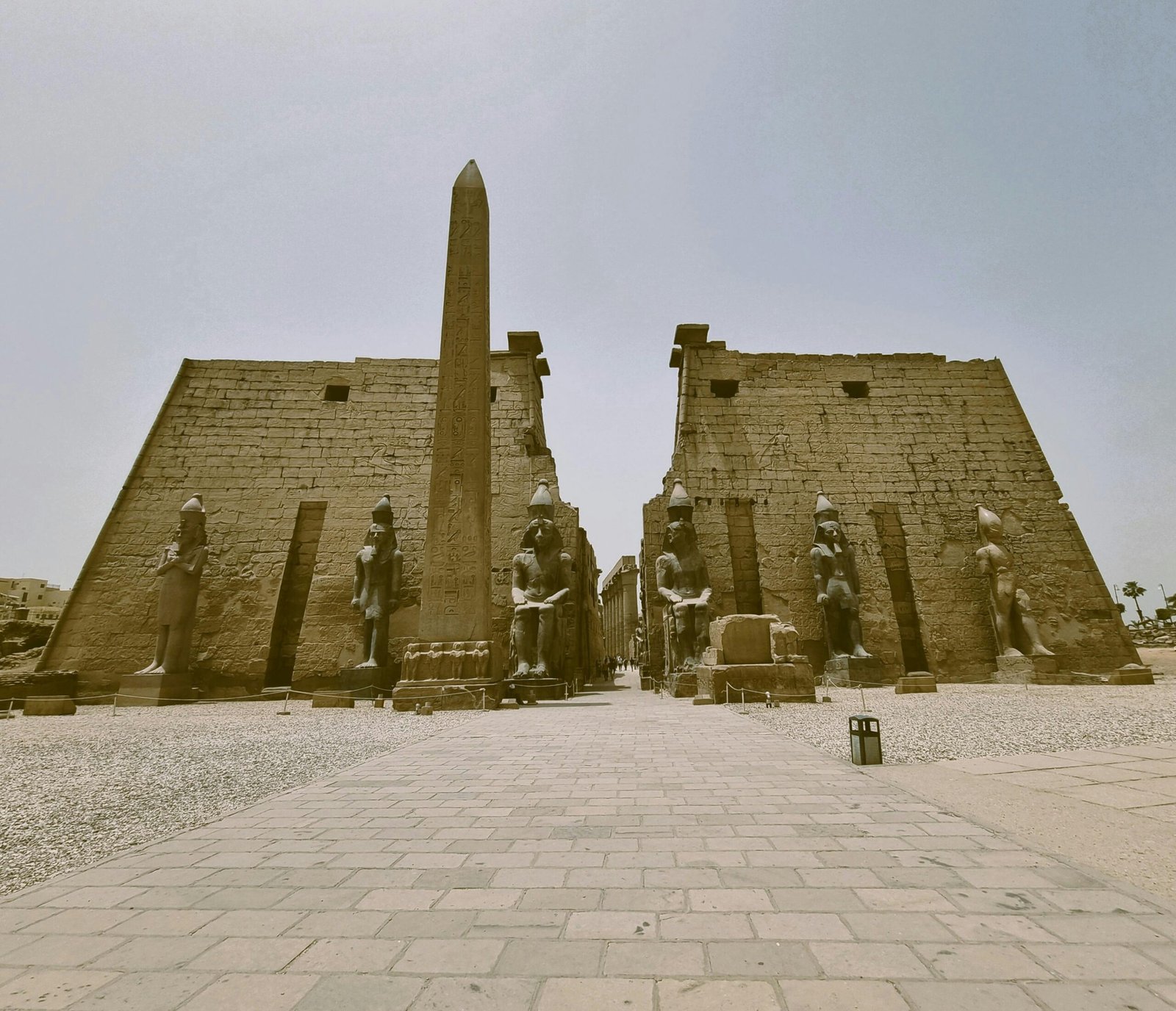
 City Tour
Luxor
Often referred to as the “world’s greatest open-air museum,” is a city that boasts an incredible wealth of archaeological treasures. Located on the banks of the Nile River, Luxor was once the capital of ancient Egypt and a hub of political and religious activity during the New Kingdom period. Visitors to Luxor can explore a range of remarkable sites, including majestic temples, elaborate tombs, and stunning monuments that tell the stories of pharaohs and deities. This article highlights the key tourist attractions in Luxor, showcasing their historical significance and the experiences they offer.
1-Karnak Temple
The Karnak Temple complex is one of the largest religious buildings in the world and a must-visit site in Luxor. Dedicated primarily to the god Amun, this vast temple complex spans over 200 acres and features a series of temples, chapels, and pylons built over a period of more than 2,000 years.
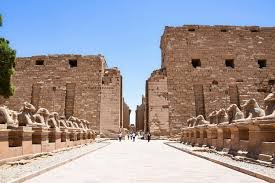
Features and Highlights
Visitors are often awed by the Great Hypostyle Hall, which boasts 134 massive columns arranged in 16 rows, each intricately carved with hieroglyphics. The temple complex is also home to the sacred lake, where priests performed rituals, and the Avenue of Sphinxes, which connects Karnak Temple to Luxor Temple. The annual Opet Festival, commemorating the sacred marriage between Amun and the queen, adds to the temple’s historical significance.
Visitor Experience
Exploring Karnak Temple allows visitors to immerse themselves in the grandeur of ancient Egyptian religion and architecture. Guided tours provide insights into the site’s history, while the evening sound and light show brings the temple to life with dramatic storytelling.
2-Luxor Temple
Located in the heart of the city, Luxor Temple is another monumental site dedicated to the god Amun and the pharaohs of the New Kingdom. Built around 1400 BCE, this temple served as a center for the annual Opet Festival and as a place of worship.
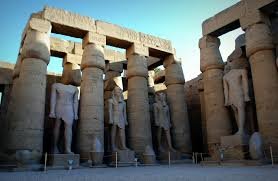
Architectural Marvels
Luxor Temple is renowned for its impressive entrance, flanked by two colossal statues of Ramses II. The temple’s well-preserved reliefs depict scenes of the pharaoh’s victories and divine interactions. One of the unique features of Luxor Temple is that it was constructed using a combination of sandstone and limestone, resulting in a striking visual effect.
Cultural Significance
The temple was historically significant for both religious and political purposes, serving as a symbol of the pharaoh’s divine right to rule. Visitors can explore the temple’s various halls and sanctuaries, and the site is particularly enchanting at night when illuminated against the dark sky.
3-Valley of the Kings
The Valley of the Kings is perhaps the most famous burial ground of ancient Egypt, where many pharaohs and nobles were laid to rest. This UNESCO World Heritage site is located on the west bank of the Nile and contains over 60 tombs.
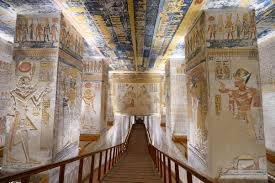
Tombs of the Pharaohs
Among the most notable tombs is that of Tutankhamun, which was discovered largely intact in 1922. Other significant tombs include those of Ramses II and Seti I, known for their elaborate decorations and intricate hieroglyphics. The valley’s tombs are celebrated for their stunning wall paintings that depict scenes from the afterlife, a testament to the ancient Egyptians’ beliefs about death and immortality.
Visitor Insights
Visitors can explore several tombs, each offering a glimpse into the burial practices and artistic achievements of ancient Egypt. Though photography is often restricted inside the tombs to preserve the artwork, the experience of standing within these ancient walls is unforgettable.
4-Temple of Hatshepsut
The Temple of Hatshepsut, also known as Deir el-Bahari, is a mortuary temple dedicated to one of Egypt’s most remarkable female pharaohs. Built into the cliffs of the Theban mountains, the temple is an architectural masterpiece.
Unique Design
The temple features a series of terraces connected by ramps, adorned with beautiful reliefs illustrating Hatshepsut’s reign and her divine birth. The striking setting against the cliffs adds to the temple’s grandeur. Hatshepsut is often depicted in male pharaonic attire, challenging gender norms of her time.
Cultural Legacy
Hatshepsut’s reign was marked by trade expeditions and monumental building projects, and her temple stands as a symbol of her achievements. Visitors can explore the temple’s courtyards and chambers, which provide insight into her life and the role of women in ancient Egypt.
5-Colossi of Memnon
The Colossi of Memnon are two massive stone statues that once guarded the entrance to the mortuary temple of Amenhotep III. Standing at over 18 meters tall, these statues depict the pharaoh seated and are among the most iconic landmarks in Luxor.
Historical Context
Originally, the statues were part of a grand temple complex that has since eroded away, leaving only the colossi. They are notable not only for their size but also for their historical significance as a reminder of the grandeur of Amenhotep III’s reign.
Visitor Experience
Visitors can approach the colossi for a closer look and take in their impressive scale. The site is a popular spot for photography, especially at sunrise and sunset when the statues are bathed in golden light
6-Medinet Habu
Medinet Habu is the mortuary temple of Ramses III, often overshadowed by other sites but equally impressive. This temple complex showcases the architectural style of the New Kingdom and is known for its well-preserved reliefs.
Architectural Features
The temple is surrounded by a massive wall and features a large hypostyle hall, sanctuaries, and numerous chapels. The reliefs depict Ramses III’s military victories and the daily life of ancient Egyptians. The temple’s unique design includes a combination of Egyptian, Greek, and Roman influences, reflecting the cultural exchanges of the time.
Cultural Insights
Medinet Habu is less crowded than other sites, allowing visitors to explore at a leisurely pace and appreciate the artistry and history without the hustle and bustle.
Conclusion
Luxor is a treasure trove of ancient history, offering visitors an unparalleled journey through time. From the grand temples of Karnak and Luxor to the solemn tombs in the Valley of the Kings, each site provides a unique insight into the rich tapestry of Egyptian civilization. The experiences in Luxor are not just about observing ancient relics; they are about connecting with the stories of pharaohs, gods, and the daily life of ancient Egyptians. A visit to Luxor is an unforgettable adventure that reveals the enduring legacy of a civilization that continues to captivate the world.
If you would like to enjoy this visit with us , don’t forget to check our Website Egypt Desert Nomad Tours


